India’s Changing Movie Audience: What Viewers Want Today

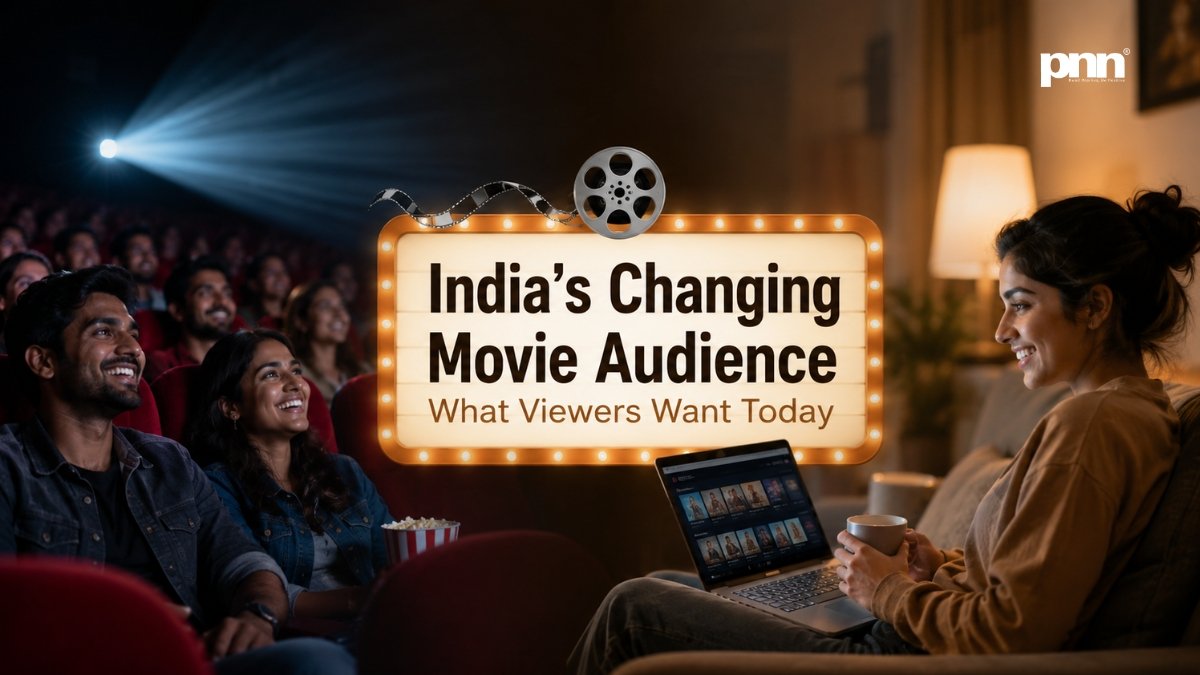
Mumbai (Maharashtra) [India], July 31: Ask any 25-year-old in Bengaluru when they last watched a movie straight through, and I bet the answer doesn’t involve a cinema. It’s probably them hunched over their phone, lost in noise-canceling headphones, trying not to bump elbows in a crowded bus. No popcorn, no big screen. That’s where movie-watching is headed in India—the passion for films hasn’t faded, but the way people watch sure has.
Multiplexes Still Pull Crowds, But It’s Not the Old Days
For years, people claimed theaters were dying off, only bouncing back when a blockbuster showed up. Remember Pathaan in 2023? PVR Inox had crowds like they hadn’t seen in ages, then came Jawan, and suddenly, Pushpa 2 dropped at the end of 2024—same story, lines out the door. But these days, folks pick and choose. Nobody heads to the theater for just any film.
Families do the math before buying tickets. In cities like Indore and Nagpur, one trip to the multiplex eats up two grand—tickets, snacks, travel. For that money, you’d get a whole month of streaming with way more choices and flexibility. Unless the movie’s a major action flick or some visual spectacle, most people stick to OTT platforms. But, when Shah Rukh Khan towers over you on a giant screen, or there’s a wild action sequence, theaters still offer something unforgettable. That feeling just doesn’t translate to phones or laptops.
Regional Films Aren’t Local Anymore
Honestly, the coolest change is how regional movies have gone national—and even international. Take Kantara, a Kannada film that started small and exploded everywhere, even outside India. The sequel, Kantara: Chapter 1, held onto that attention. Jailer, a Tamil film, dropped in multiple languages and actually outperformed some Hindi heavyweights. Streaming made borders irrelevant and subtitles pulled in audiences who never would’ve bothered before. Now, someone in Lucknow can catch a Malayalam thriller on Netflix the day it comes out, same time as folks in Kochi. That never happened ten years ago.
Numbers don’t lie either. Reports from places like Ormax Media show viewers want good stories, not just local productions. That old idea—each film industry only draws its own crowd—doesn’t fly anymore, especially with younger audiences.
People Watch More Than Ever—but Don’t Stay Long
Here’s what’s wild: Indians are consuming more content, but they’re also quicker to ditch anything slow. If a movie meanders for even twenty minutes, half the audience is scrolling Instagram or bailing for YouTube. Filmmakers know this, especially those making stuff for Prime Video or SonyLIV—they jump straight into the action, just like web series do.
Social media creators hype up films now. Sometimes, a big YouTuber or Instagram star gets more people in seats than any TV ad, especially among Gen Z. Bollywood marketers figured this out and switched to digital influencers—gone are the days of relying only on commercials.
Loyalty Isn’t Guaranteed—People Want Real Value
Back in the day, fans showed up for their favorite stars without thinking. Not anymore. In places like Mumbai and Pune, viewers test every film: is this worth my cash and my time? Instant opinions fly around social media when a movie drops. Skimp on the story or rely on celebrity power, and buzz on X or Reddit tanks your ticket sales within hours. Studios scramble—they cut prices, reboot, anything to save face.
But smaller films actually benefit. Word of mouth can turn an underdog like 12th Fail into a sleeper hit—not much budget, no big names, but people kept talking, so theaters held onto it for months. Later, it took off on Disney+ Hotstar. Spectacle still wins, but viewers hunt for honest stories, even when it’s from someone you’ve never heard of.
What’s Next?
Indian audiences are younger, scattered across every device, and totally ruthless if something doesn’t grab them. They want tight, punchy stories—they couldn’t care less if a movie’s “Bollywood” or “regional,” just as long as it grabs their attention. If you’re making films, or just picking what to watch, here’s how it stacks up: People aren’t bored of movies—they’re just way smarter about which ones earn their attention. Whether it’s on a giant screen or a patched-up phone, filmmakers have to hustle to keep people hooked.